


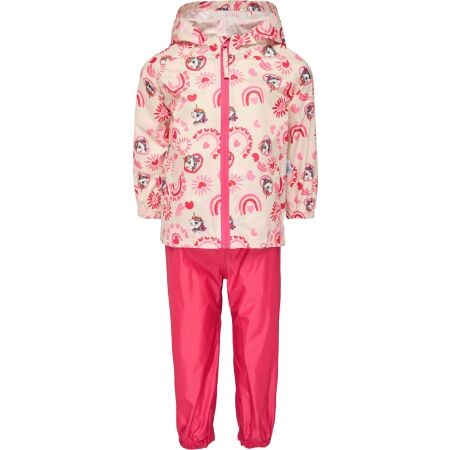


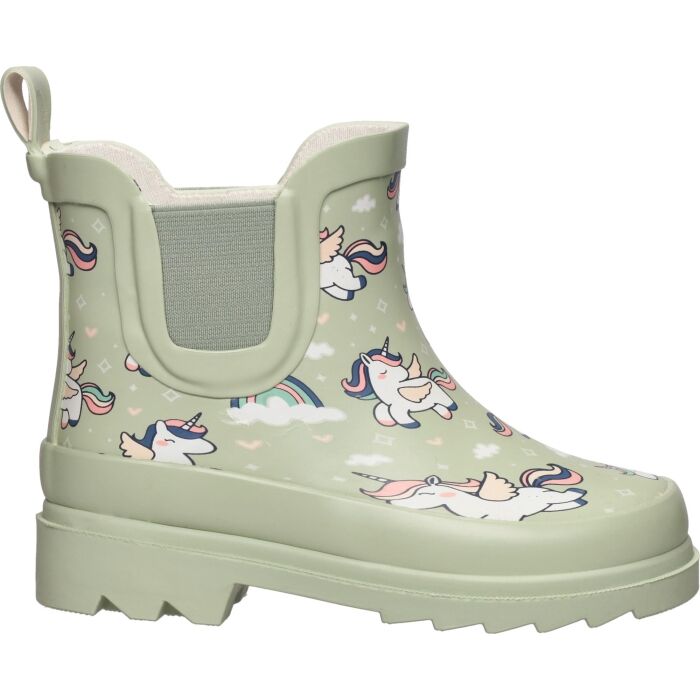


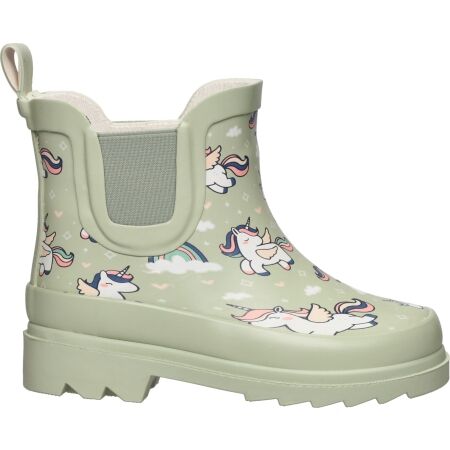

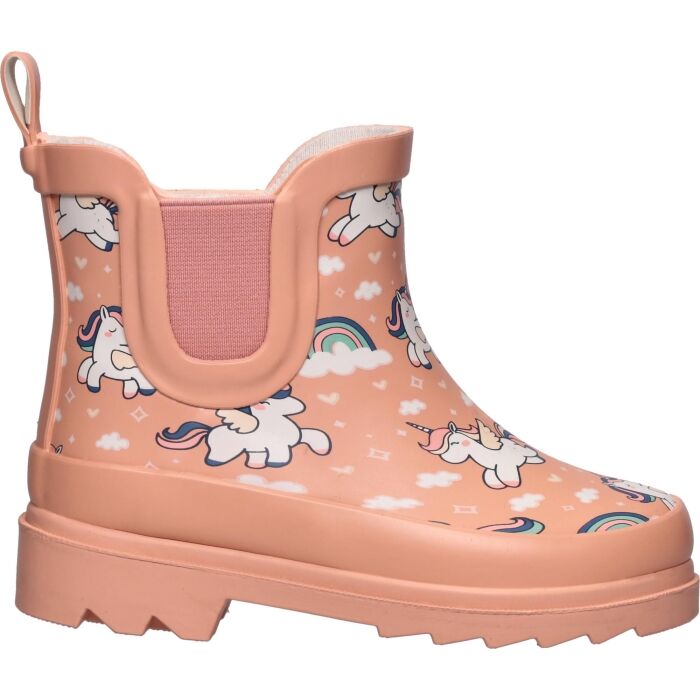


Kids' - Wellies and raincoats from the 2026 collection
Wellington boots and raincoats from the Spring 2026 collection are the kit you need for days when the weather decides to “test you” – rain, wet grass, puddles and wind. Thanks to them, you can head out without compromise: wellies keep your feet dry and a raincoat protects your clothes without restricting movement. Whether you’re going into town, out for a walk, taking the kids outside or heading off for a weekend trip, these pieces are worth having to hand – they often save the whole day.
Benefits of wellies and raincoats
Reliable protection from the rain:
When it rains, it’s not just about comfort – it’s about staying dry and warm. A raincoat keeps your clothes from soaking through, and wellies help keep your feet dry even in deeper puddles or on wet grass.
Practical “just‑in‑case” gear:
It’s handy to keep wellies and a raincoat ready at home, in the car or at the cottage. Spring weather changes quickly – and when a shower hits, you’re sorted in a minute.
Comfort and freedom of movement:
• Raincoat as a top layer – easy to throw over a hoodie or jacket • Wellies for wet conditions – no stress about puddles or mud • Lightweight and packable – ideal for trips and travelling • Easy care – just wipe clean and leave to dry
Where you’ll use wellies and raincoats
In town and for commuting:
If rain catches you on the way to work or school, a raincoat is often quicker and more practical than dealing with a soaked jacket. And if you know it’ll be wet, wellies are a safe bet for slippery pavements and slushy kerbs.
Walks, dog‑walking and outings with children:
• Parks and wet grass: wellies keep feet dry • Playgrounds and puddles: no limits and no worries about getting soaked • Longer time outdoors: a raincoat protects even in steady rain
Trips and travelling:
A raincoat is a great backup layer for your rucksack – it doesn’t take up much space and often decides whether the trip continues or ends early. Wellies are ideal where you expect wet ground, mud or churned‑up paths.
Windy and changeable weather:
When it’s not raining “properly” but it’s windy and drizzly, a lightweight windbreaker or shell jacket can be a practical alternative – depending on how long you’ll be outside and how much protection you want.
How to choose wellies and a raincoat
Wellies: comfort and stability:
Wellies should fit so your foot doesn’t slip, but still leave room for a sock. The sole matters too – for a steadier step on wet or muddy ground.
Raincoat: length, hood and room for layers:
• Hood: essential in rain (ideally adjustable) • Length: longer coats protect thighs and trousers better • Fit: remember you’ll wear it over a hoodie or jacket • Fastening: zip or poppers depending on what you prefer
What else to add to your kit:
An umbrella is great in town and for short walks, while a raincoat wins when you need free hands (pushchair, backpack, shopping, children).
Care and maintenance
Rinse or wipe your wellies after use and let them dry naturally. Hang your raincoat to dry after rain so it doesn’t stay damp. Avoid drying on direct heat – the material could lose its shape or get damaged.
Frequently asked questions
Is a raincoat or an umbrella better? For short trips in town, an umbrella often does the job, but a raincoat is more practical when you need free hands or you’re outside longer.
How do I choose wellies that don’t rub? Pick a size with room for a sock and check that your heel doesn’t slip and your toes have space.
What if it’s just drizzling and windy? In this weather, lightweight shell jackets and windbreakers work brilliantly – they’re light, practical and ideal for breezy conditions.
How do I care for a raincoat so it lasts? Let it dry after use, store it dry and wash only according to the label to keep its protective qualities.
TIP: If you want to be ready for spring without constant repacking, keep a “rain set”: a raincoat packed in your rucksack and wellies at home or in the car – then the rain won’t stop you.